
KOGAS
Biodiversity Conservation
KOGAS is fully aware of the need to conserve biodiversity for sustainable development, and understands the potential business risks of biodiversity destruction.
Humans depend on the basic services provided by various living things in the ecosystem to live. In addition, biological resources provide major economic benefits and services in all industries such as medicine, food, environment, and energy. However, threats to biodiversity such as habitat destruction continue to this day, and as a result, biodiversity conservation has become an urgent issue to address worldwide. We are taking all necessary measures to minimize negative impact on biodiversity across our entire business value chain.
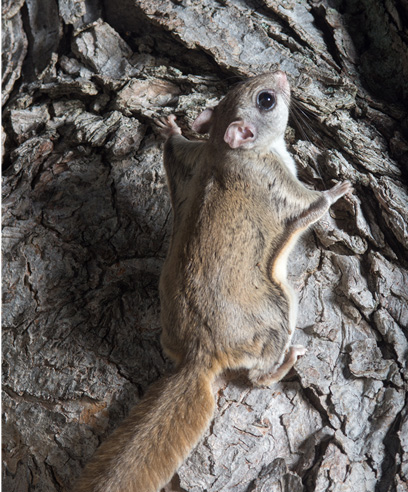
The Spoonbill(Grade 1 endangered species)
Current Activities
Since the planning stage of projects, we have systematically assessed potential impacts on surrounding ecosystems and the environment, implementing measures to minimize environmental harm. During operations, we diligently conduct post-management and monitoring. Through our conservation efforts for the Spoonbill(Grade 1 endangered species), we achieved zero predation rates for three consecutive years (2023?2025), contributing to the International Union for Conservation of Nature (IUCN)’s downgrading of the species’ threat status. In 2025, in collaboration with the National Institute of Ecology, we carried out habitat improvement, transplantation, and release programs for endangered species―including Great hairy willowherb and Grasshopper ―in the Gyeongbuk Cheongsung and Uiseong regions, which suffered severe damage from large-scale wildfires. Additionally, we have partnered with education offices and social venture companies to implement “Classroom Forest” initiatives, demonstrating sustained commitment to ecological restoration. Through these efforts, we continue to expand wildlife biodiversity and restore habitats where endangered species can thrive.
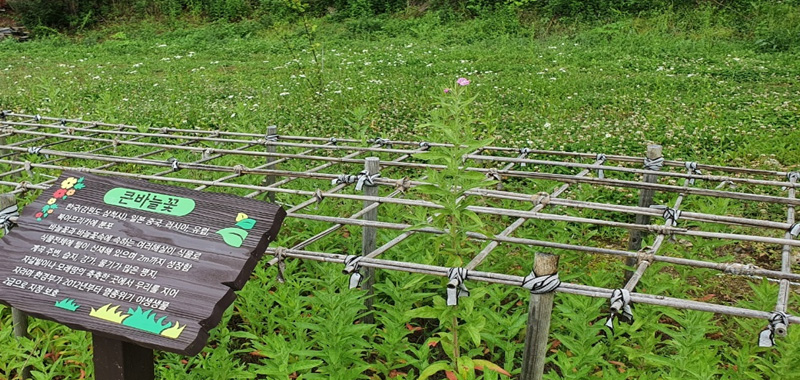
Great hairy willowherbs are growing in Samcheok Terminal Division.
Our Commitments
- We will not operate in areas that are particularly worthy of protection due to their pristine natural ecosystem and abundant biodiversity (wildlife sanctuary, ecological landscape protected area, wetlands conservation area, specific areas).
- We will not operate in internationally protected areas (Ramsar Wetlands, UNESCO Biosphere Reserve, Global Geopark and World Natural Heritage, IUCN protected area Categories I-IV).
- We will seek help from outside agencies to fulfill our biodiversity conservation commitments.
- We will support local, national and global initiatives to protect ecosystems and endangered species.
- We will effectively provide relevant information to our employees and stakeholders to better understand the importance and severity of biodiversity issues
- (Target: Zero loss rate in biodiversity protection areas at home and abroad).
By internalizing these commitments into our management system, KOGAS will faithfully adhere to all of our promises to achieve the quantitative goal of zero loss in domestic and international biodiversity protection areas, and will check and disclose results every year. Furthermore, as a public institution, we will continue to develop our targets for biodiversity conservation so that we can set a model for ESG corporate management.
※ In the above commitment, “we” refers to Korea Gas Corporation and subsidiaries over which KOGAS has direct control.